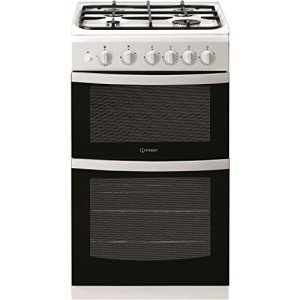
The Comprehensive Guide to Portable Gas Cookers
Portable gas cookers, likewise called camping ranges or butane ranges, have actually become significantly popular for outdoor enthusiasts, tailgaters, and emergency situation preparedness. Their compact style, ease of usage, and the capability to cook meals in practically any environment make them a preferred choice for lots of. This post intends to provide a thorough understanding of portable gas cookers, including their advantages, types, safety suggestions, and upkeep recommendations.
Tabulation
- Introduction to Portable Gas Cookers
- Benefits of Portable Gas Cookers
- Types of Portable Gas Cookers
- 3.1 Single Burner Stoves
- 3.2 Double Burner Stoves
- 3.3 Grill Stoves
- Safety Tips for Using Portable Gas Cookers
- Maintenance Tips for Long-term Use
- FAQs
- Conclusion
1. Introduction to Portable Gas Cookers
Portable gas cookers are lightweight and compact cooking devices that use propane or butane as their fuel source. They are designed to supply quick and efficient cooking options in places where conventional stoves aren't available. These cookers can be utilized for a range of occasions such as camping trips, picnics, backyard barbecues, and emergency situation situations.
2. Advantages of Portable Gas Cookers
There are a number of advantages to utilizing a portable gas cooker:
- Convenience: They are easy to carry and establish, making them ideal for outdoor activities.
- Flexibility: Portable gas cookers can be utilized to prepare a vast array of meals, from boiling water to frying food.
- Quick Cooking: Gas flames offer instant heat, enabling faster cooking times as compared to electrical cookers.
- Toughness: Made of robust products, portable gas cookers are developed to hold up against outside conditions.
- Cost: Many models are cost-effective, providing outstanding worth for those who cook regularly outdoors.
3. Kinds Of Portable Gas Cooker s
The range of portable gas cookers readily available on the market deals with various preferences and cooking needs. Here are the main types:
3.1 Single Burner Stoves
Single burner stoves are one of the most basic and light-weight options readily available. They are best for solo campers or anyone needing an easy solution.
- Pros: Very portable, economical, simple to utilize.
- Cons: Limited cooking space and functionality.
3.2 Double Burner Stoves
These stoves feature two burners, permitting users to prepare numerous dishes simultaneously.
- Pros: Increased cooking capacity, flexible.
- Cons: Heavier and bulkier than single burners.
3.3 Grill Stoves
Some portable gas cookers come designed as grills, appropriate for barbecuing meats and vegetables.
- Pros: Ideal for barbecuing, offers a various cooking design.
- Cons: Typically more pricey and needs specific cooking accessories.
4. Safety Tips for Using Portable Gas Cookers
Safety is paramount when utilizing portable gas cookers. Below are essential ideas to ensure a safe cooking experience:
- Use in Well-Ventilated Areas: Always prepare outdoors or in a well-ventilated environment to prevent carbon monoxide buildup.
- Look for Leaks: Before operation, ensure there are no leaks in the gas container or connections. A soapy water option can assist identify leaks.
- Screen While Cooking: Never leave a portable gas cooker ignored.
- Avoid Flammable Materials: Ensure that the cooking space is clear of combustible items.
- Appropriate Storage: Store gas containers in a cool, dry location to avoid overheating.
5. Maintenance Tips for Long-term Use
Regular maintenance can extend the life of a portable gas cooker and enhance its efficiency. Think about the following ideas:
- Clean After Each Use: Remove grease and food residues to avoid future build-up and possible fire hazards.
- Inspect Regularly: Look for rust, wear, or damage on the cooker and gas connections.
- Store Properly: After usage, allow complete cooling before packing away to prevent damage.
- Replace Parts as Needed: If burners or connections end up being harmed, replace them right away to maintain safety and performance.
- Acquaint with Manufacturer Instructions: Always follow the user handbook provided by the maker for specific maintenance recommendations.
6. FAQs
Q1: How long will a gas cylinder last?A1: The period can vary based on use and the size of the canister. As a general guideline, a basic cylinder (normally weighing 16 oz) can last roughly one to 3 hours, depending upon the heat setting.
Q2: Can I use a portable gas cooker indoors?A2: It is extremely discouraged to utilize portable gas cookers indoors due to the risk of carbon monoxide poisoning. Constantly ensure appropriate ventilation when used. Q3: What kind of fuel should I choose?A3: Most portable gas cookers operate on either butane or gas. Butane is suitable for warmer conditions, while gas performs much better in colder environments. Q4: Are there any essential travel considerations?A4: Know guidelines relating to bring gas cylinders when traveling
, specifically on airplanes and various states or countries where some constraints might use. 7. Conclusion Portable gas cookers offer unmatched convenience and functionality for anyone who loves cooking outdoors or requires a reliable backup cooking technique.
By comprehending their types, safety protocols, and correct upkeep, users can maximize their cooking experience while ensuring safety. Whether for outdoor camping, emergency situation preparedness, or casual outside cooking, investing in a portable gas cooker is a step towards cooking flexibility and adventure. In summary, portable gas cookers are flexible cooking tools that open a world of cooking possibilities in outside settings.
Proper understanding about their use and upkeep guarantees users can safely take pleasure in the benefits of cooking in numerous environments.